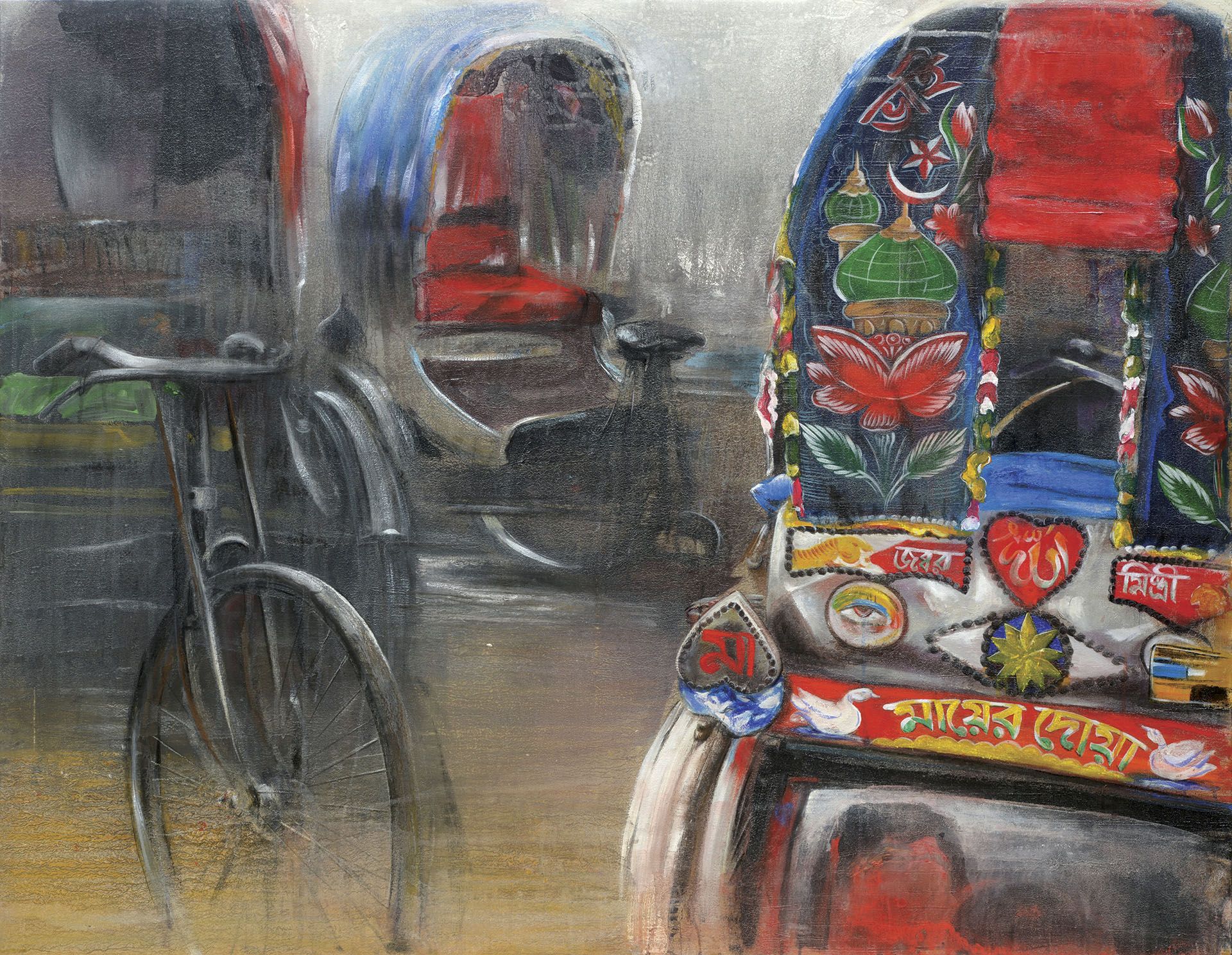
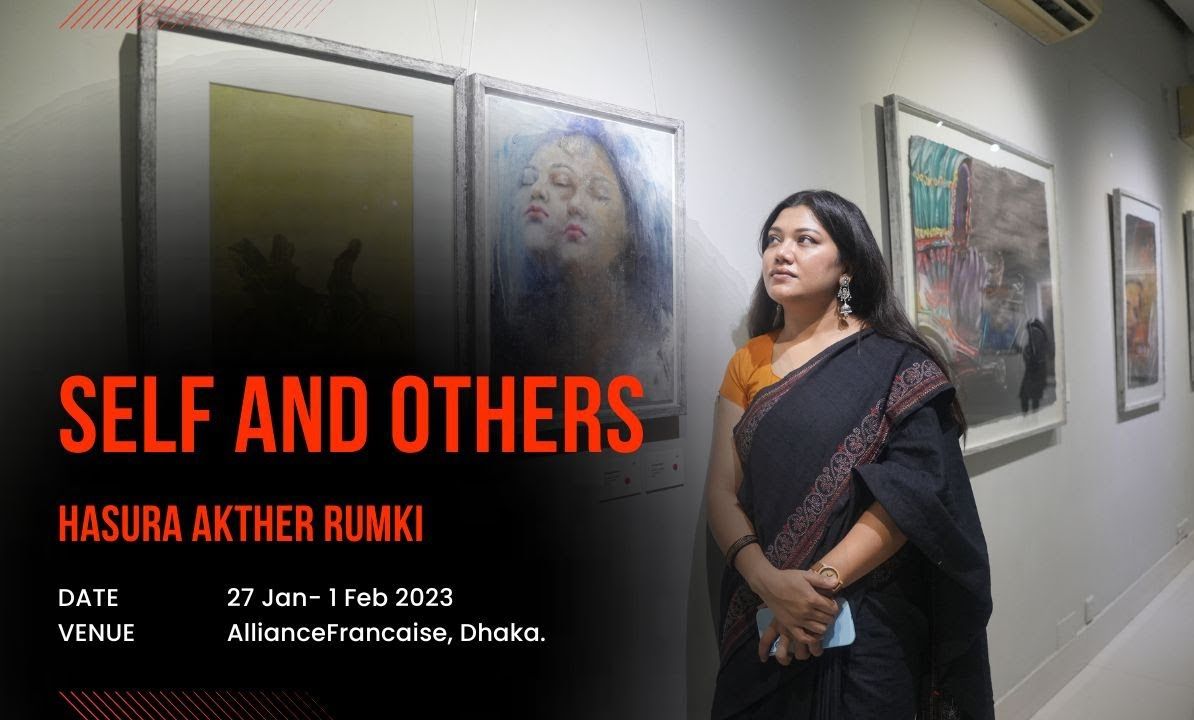
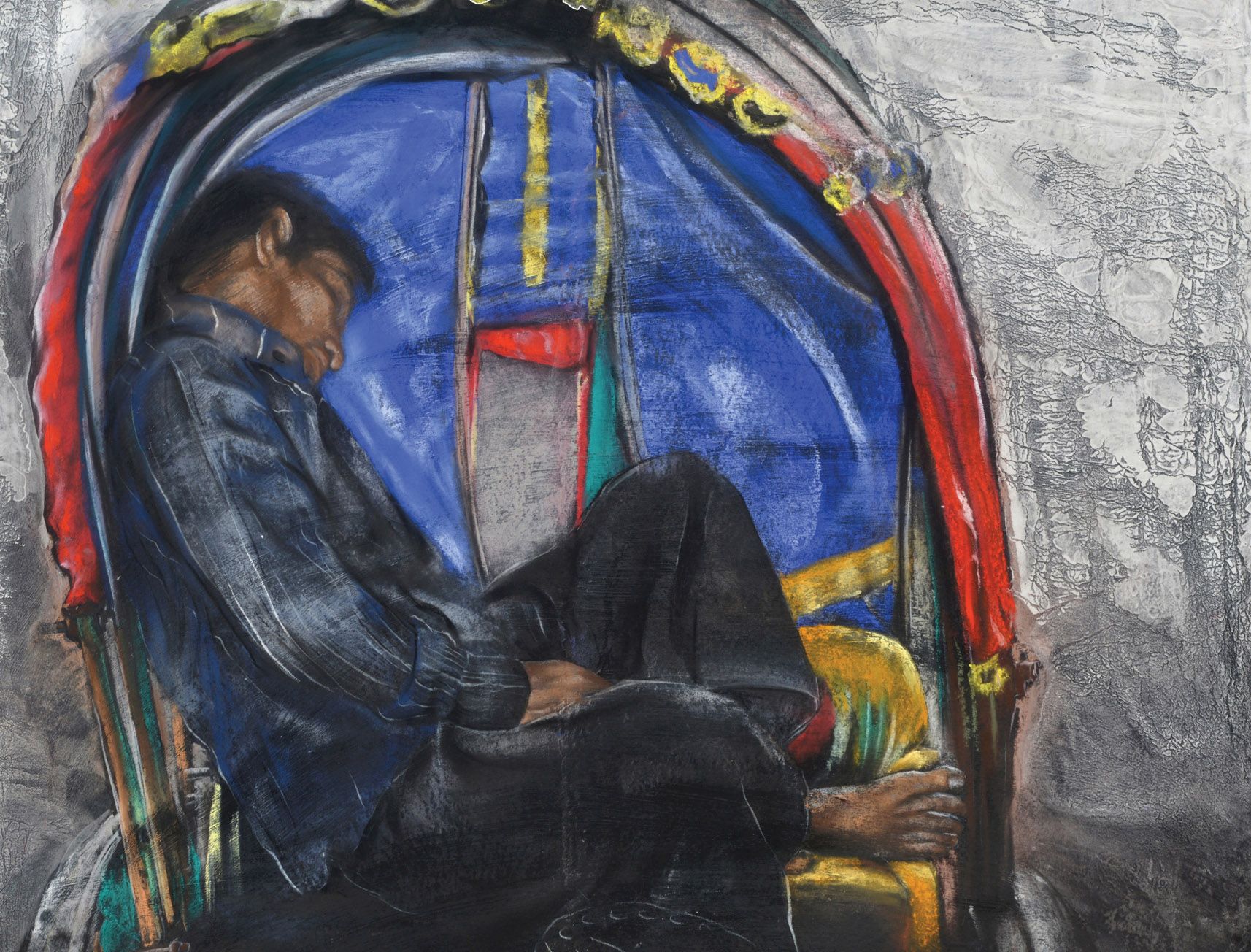
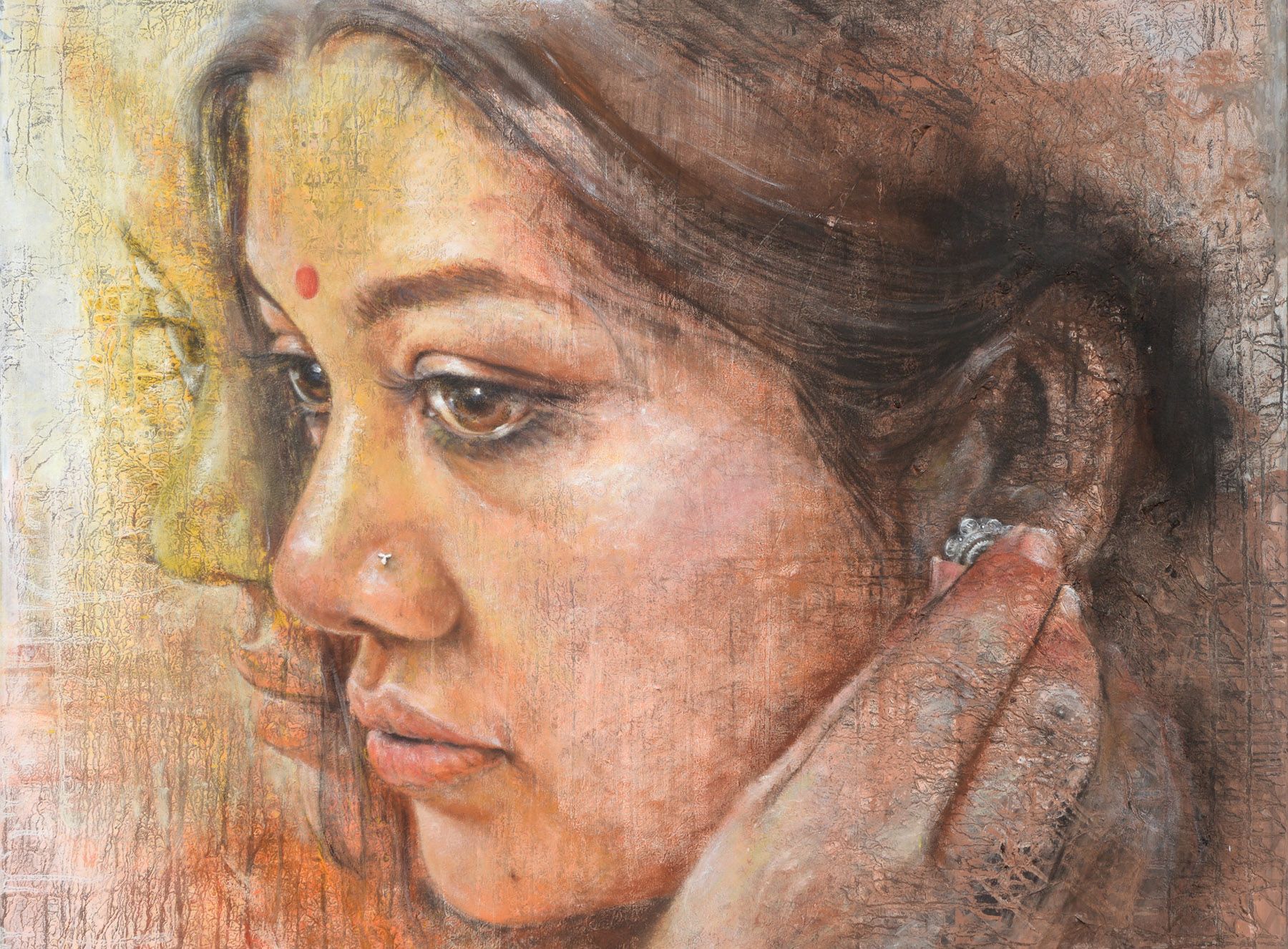
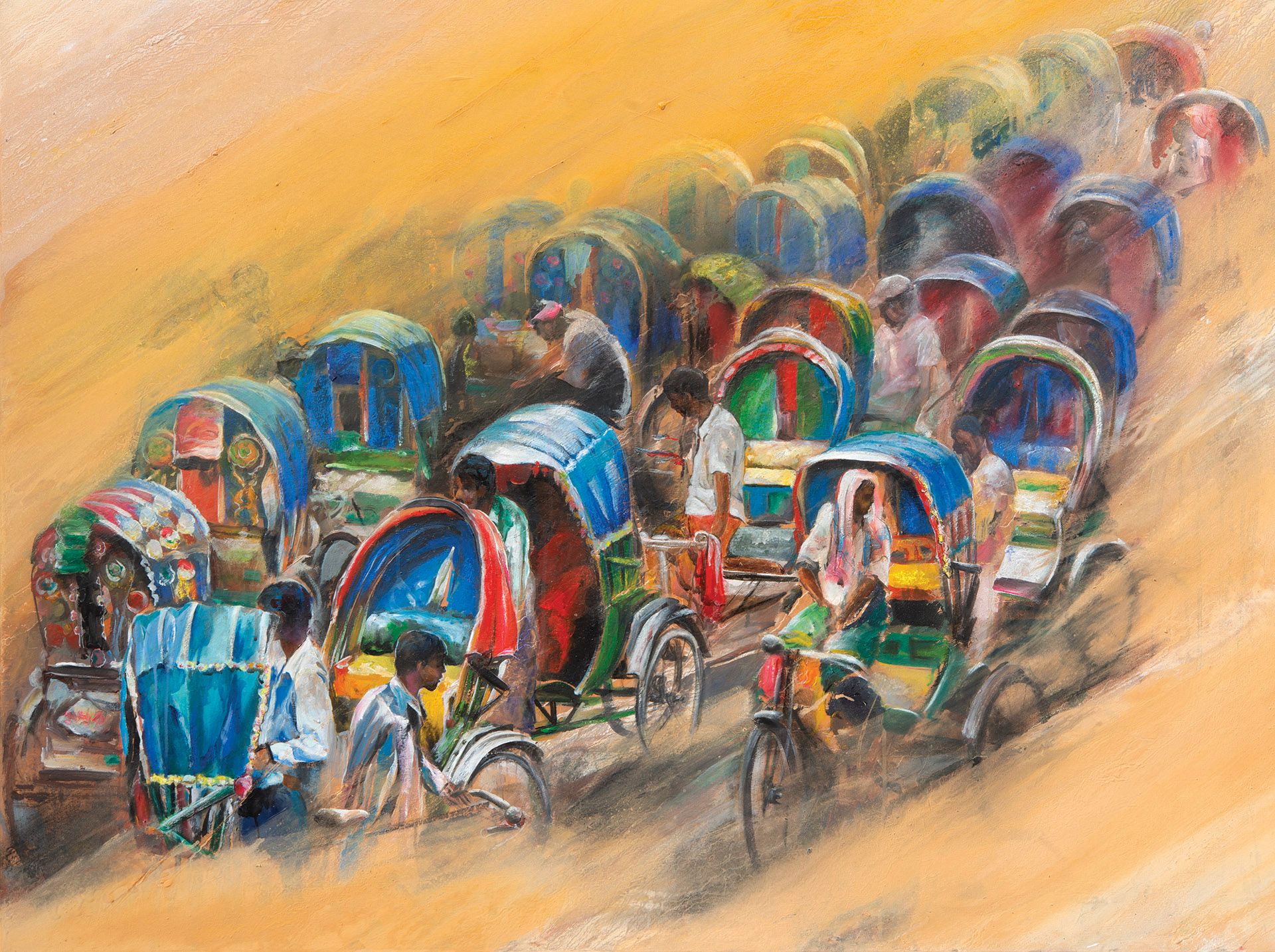
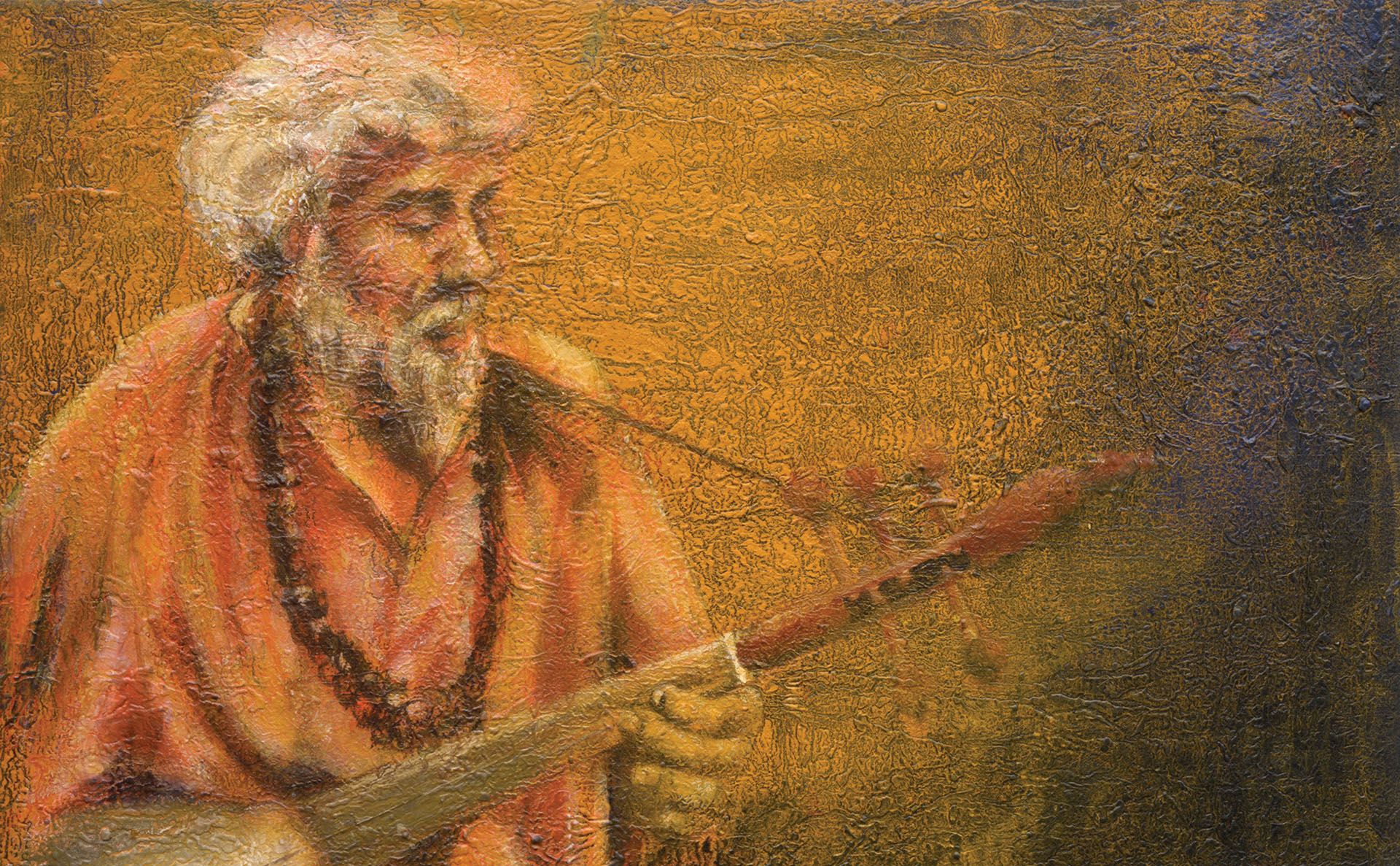
One of the primary motivations for painting is the fascination with form. The source of this fascination is the visible world around us. What we constantly see takes on a new form in the chemistry of the artist’s mind. And there are different types of the charm of forms. I want to learn about myself and know myself beyond all the nature and other wanderings of life around me. Hasura Akther Rumky has portrayed paintings pursuing these two types of emotions. People are the main subject of this promising artist’s paintings. The characteristic of Rumky’s anthropomorphic paintings can be understood in the light of the adage of Da Vinci, “A man’s face is the window to his/her soul”. She often painted the visages of her mother, Rabindranath and self-portraits. The self-portraits are the main means of her self-discovery - to test her ability to create art. The viewer can easily feel this while looking at the artist’s paintings. However, not only ‘I’, ‘Rabindranath’ and ‘Bangabandhu Sheikh Mujibur Rahman’, but also designed rickshaws and rickshaw pullers, Bauls and the marginal people have become the subjects of Rumky’s artistic practice.
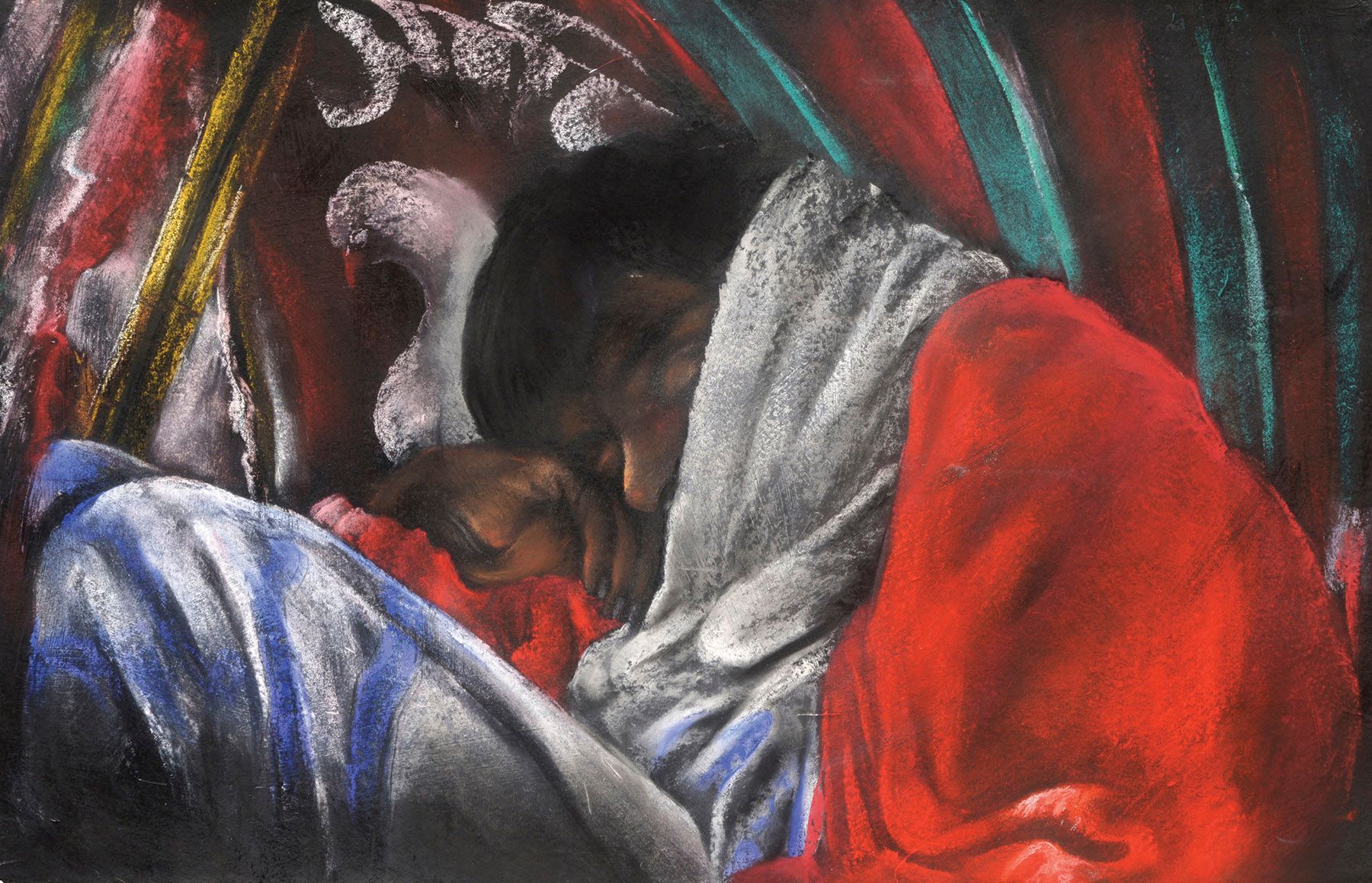
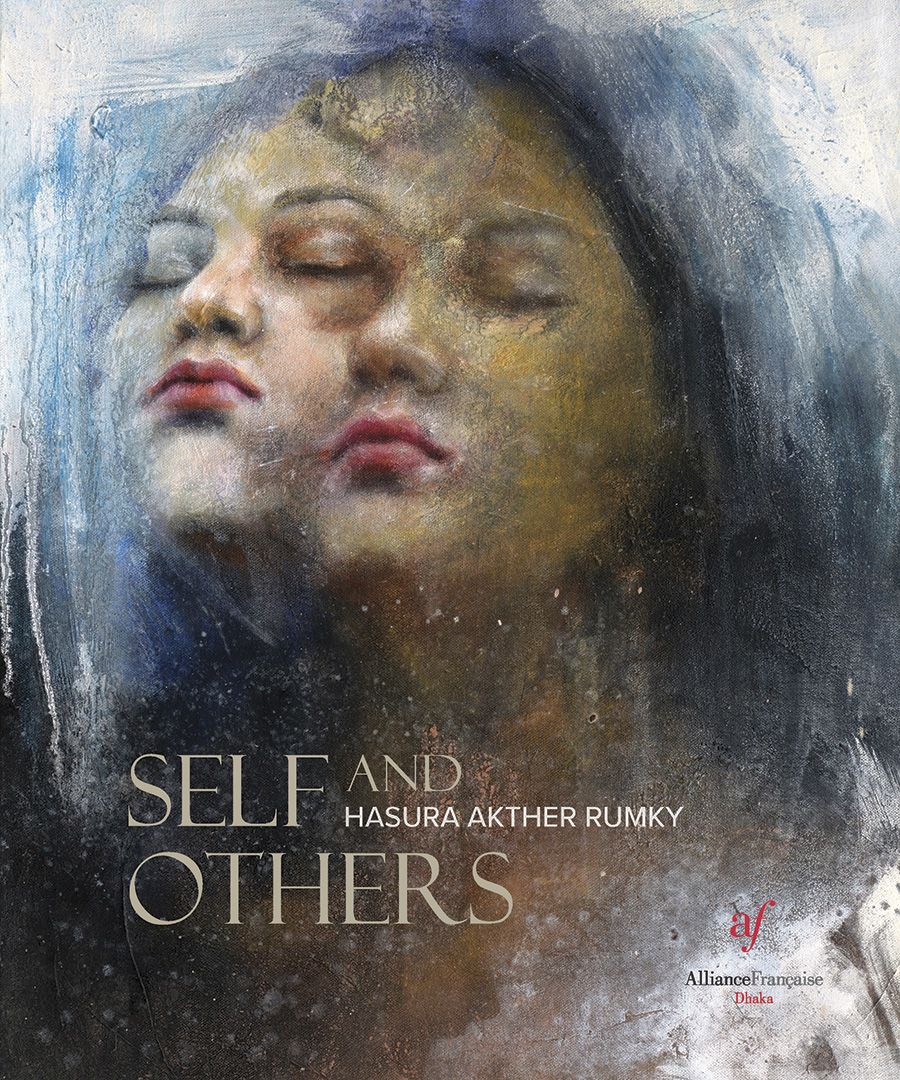
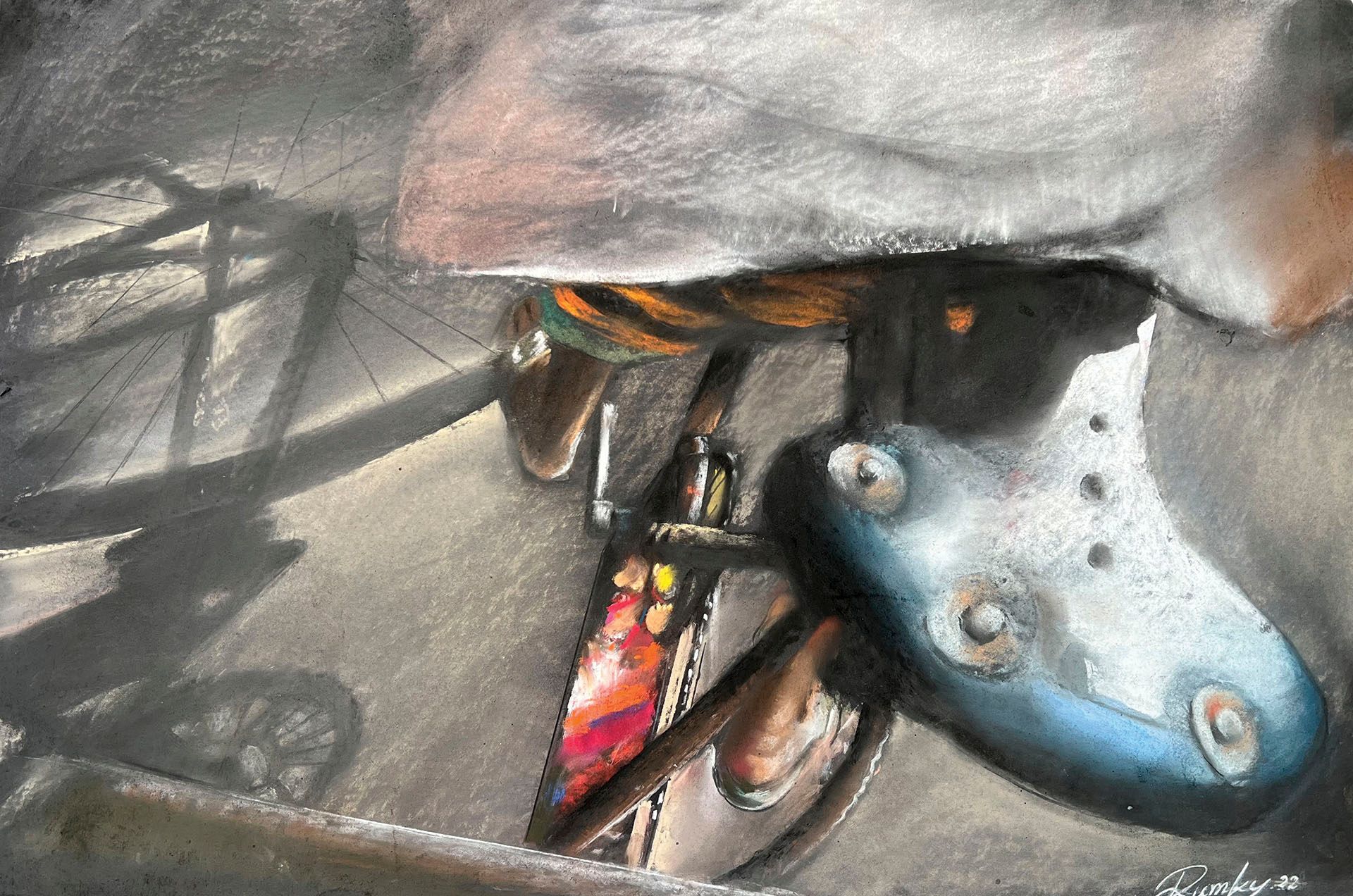
Skilled in pastel, acrylic, charcoal, and other mediums, Rumky did not draw superficially familiar subjects; rather, she wanted to touch beyond form, the invisible world. And in the painting, there lies illusion, lust for form and longing for human connection. Rumky has seen and painted herself from different perspectives. The artist has portrayed herself and her reflection in the self-portraits we see in her double-portrait form. Rumky’s treatment of self-infatuation is also reflected in the artist’s paintings. However, Rumky did not want to paint the unhappiness of life. In her works based on ‘Rickshaw and Rickshaw Puller’, the dialectical formula that we find in the bond or conflicting presentation of blackness and colour reveals the essence of life. The viewer’s mind is enlightened with this sense that life is moving on, not disturbed by sadness.
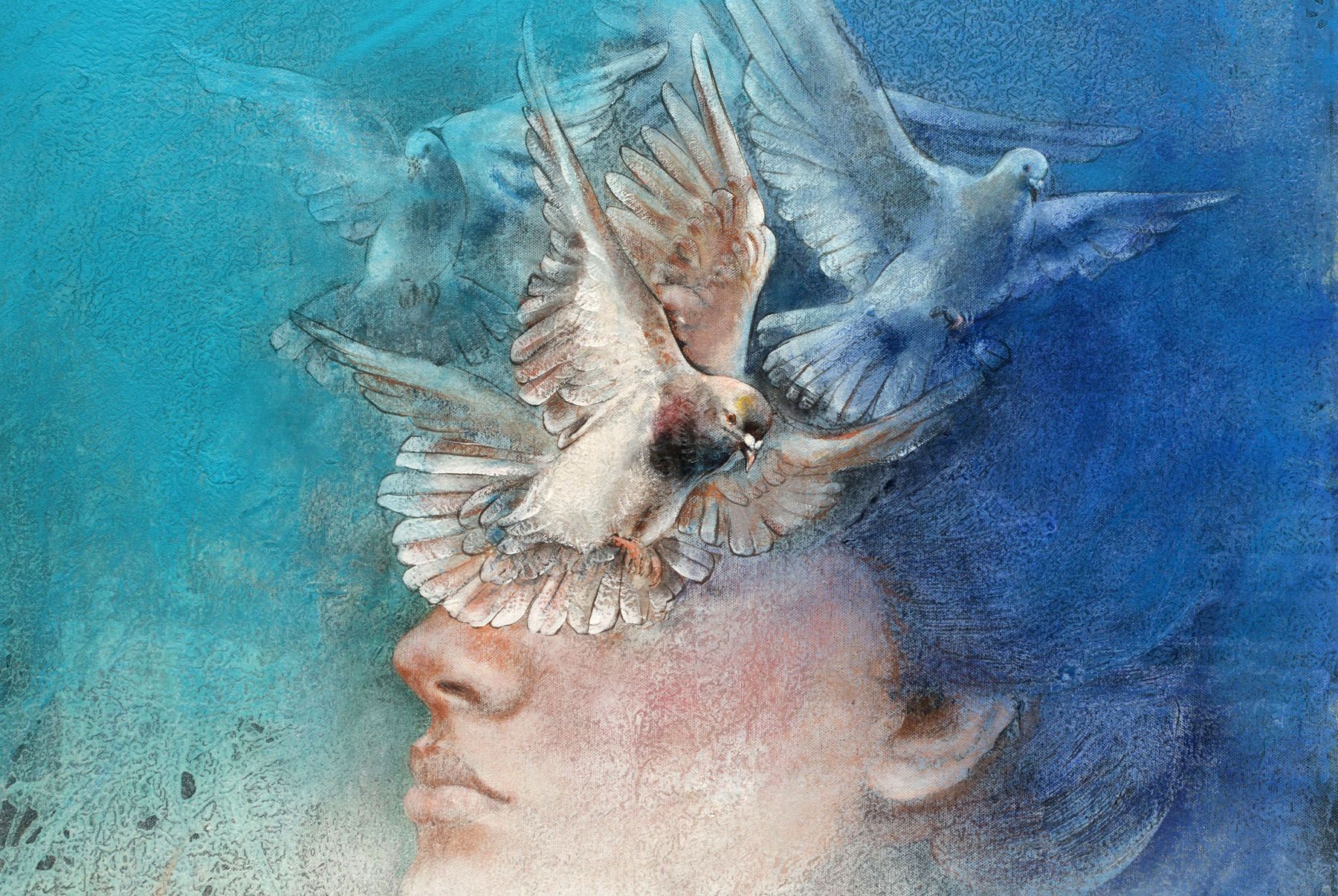
In Rumky’s work, the expression of the couplet of mother and child, the fluttering of pigeons’ wings, is only the embodiment of joy and sound. The mystery of beauty is infinite. To portray that immensity, Rumky has tried to liberate the subject from the linear and morphological bonds of form. This promising painter, starting paintings in her childhood, has won awards from many institutions. The artist is haunted by the cloistered form of ‘I’, and the people around her, especially Hasura Akther Rumky has looked at the rickshaws and rickshaw-pullers of the rickshaw city Dhaka with deep compassion. Illusion, compassion, the thirst for beauty and in search of the secret sources of all these, Rumky’s paintbrush is zealous.
___
Moinuddin Khaled is a renowned art critic and cultural commentator.